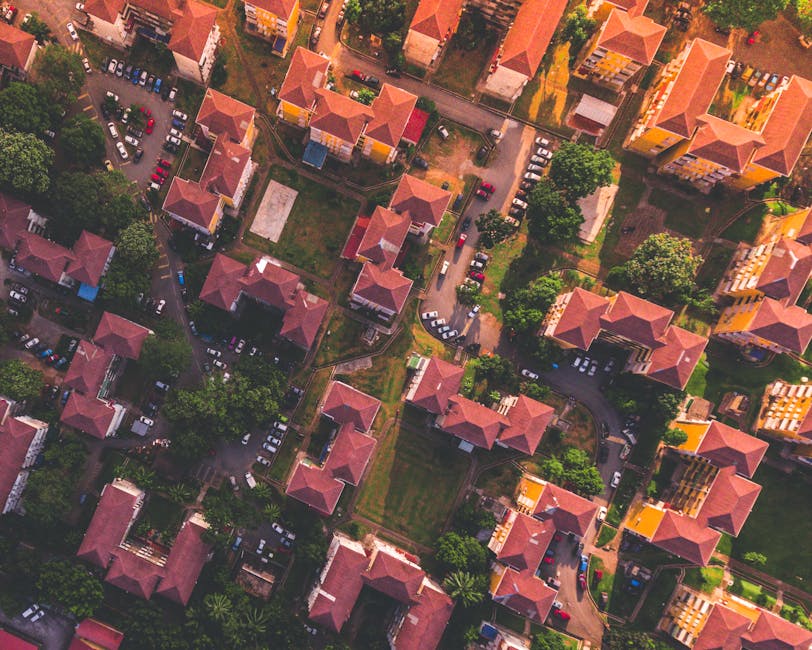
Real estate investing in Nigeria presents a world of opportunities. For many Nigerians, it is a pathway to financial independence and a chance to build wealth steadily. But how exactly do you get started, especially if you're a beginner? In this comprehensive guide, we'll explore the ins and outs of investing in real estate in Nigeria, and provide you with practical strategies to maximize your returns.
Whether you're looking to invest in a bustling city like Lagos or prefer the serene environments of Abuja, understanding the dynamics of the Nigerian real estate market is crucial. From exploring different types of properties to understanding financing options, this guide covers it all.
Understanding the Nigerian Real Estate Market
The Nigerian real estate market is diverse and dynamic, shaped by economic factors, population growth, and urbanization trends. Before making any investment decision, it's vital to understand these dynamics to make informed choices.
Key Factors Influencing the Market
The Nigerian real estate market is influenced by a variety of factors including economic stability, government policies, and demographic changes. Nigeria's growing population and increasing urbanization drive demand for residential and commercial properties.
- Economic Stability: A stable economy encourages investment. Keep an eye on inflation rates and economic growth indicators.
- Government Policies: Policies related to property taxes, land use, and housing development can impact market dynamics.
- Demographics: A growing population and urban migration increase demand for real estate.
Types of Real Estate Investments
There are several avenues for investing in real estate in Nigeria. Your choice will depend on your investment goals, risk appetite, and available resources.
Residential Properties
Investing in residential properties is a popular choice due to the consistent demand for housing. You can invest in single-family homes, apartments, or condominiums.
- Single-Family Homes: Ideal for long-term investors looking for rental income.
- Apartments and Condos: These can offer higher rental yields but may require more management.
Commercial Properties
Commercial properties typically offer higher returns but come with increased complexity and risk. Think office buildings, retail spaces, and industrial properties.
"Commercial real estate in Nigeria is lucrative but requires careful research and planning."
Financing Your Real Estate Investment
One of the biggest hurdles for many Nigerian investors is securing financing. Understanding your options can help you make smarter investment decisions.
Traditional Bank Loans
Banks offer mortgage products for real estate investments. Ensure you have a good credit score and meet the bank's requirements.
Alternative Financing Options
Options like real estate investment trusts (REITs) and private lenders offer different avenues for financing your investments.
- Real Estate Investment Trusts (REITs): A way to invest in real estate without owning property directly.
- Private Lenders: These can be a quicker source of funds, albeit with higher interest rates.
Risks and Challenges
Like any investment, real estate in Nigeria comes with risks. Being aware of these challenges can help you mitigate them effectively.
Property Fraud
Fraud is a significant concern. Always conduct thorough due diligence before purchasing property.
Market Volatility
The market can be volatile, especially in economically uncertain times. Diversifying your portfolio can help manage this risk.
Final Thoughts
Investing in Nigerian real estate can be a rewarding venture if approached with care and due diligence. By understanding the market dynamics, choosing the right type of property, and securing appropriate financing, you can navigate the challenges and seize the opportunities this vibrant sector offers.
Remember, successful real estate investing is not just about buying property, but about making informed decisions every step of the way.