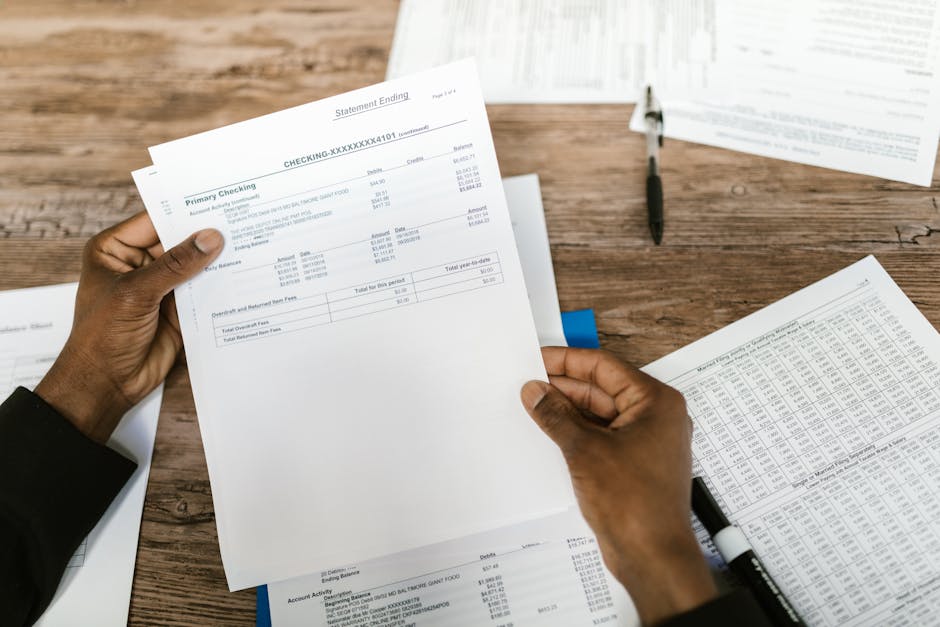
In today's fast-paced world, mastering the art of budgeting is more important than ever, especially in a country like Nigeria, where economic challenges can make financial stability seem like a moving target. Whether you're a young professional just starting out or a seasoned worker aiming for early retirement, understanding how to effectively manage your finances is crucial. Budgeting not only helps you track your income and expenses but also plays a pivotal role in achieving financial independence.
This comprehensive guide will provide you with practical, step-by-step strategies to create and maintain a budget that suits your personal financial goals. By the end of this article, you'll have a clear roadmap to take control of your finances and start working towards financial freedom.
Understanding the Basics of Budgeting
Before diving into the nitty-gritty of budgeting, it's important to understand what budgeting really entails. In simple terms, budgeting is the process of creating a plan for how to spend your money. This spending plan is called a budget.
Why Budgeting Matters
Budgeting is essential for several reasons. It helps you:
- Track your spending habits to identify areas where you can cut costs.
- Ensure that you have enough money for necessities and savings.
- Avoid unnecessary debt and financial stress.
- Plan for future expenses, such as a new car or home.
"A budget is telling your money where to go instead of wondering where it went." - Dave Ramsey
Common Budgeting Methods
There are several popular budgeting methods you can choose from, depending on your lifestyle and financial goals:
- 50/30/20 Rule: Allocate 50% of your income to needs, 30% to wants, and 20% to savings.
- Zero-Based Budgeting: Assign every naira of your income a specific purpose.
- Envelope System: Use cash for different categories and keep them in envelopes to avoid overspending.
Setting Financial Goals
Before you start budgeting, it's crucial to set clear financial goals. These goals will guide your budgeting process and help you stay motivated.
Short-Term vs. Long-Term Goals
Financial goals can be short-term or long-term. Short-term goals might include saving for a vacation or an emergency fund, while long-term goals could be saving for retirement or a child's education.
SMART Goals
Ensure your goals are Specific, Measurable, Achievable, Relevant, and Time-bound (SMART). This approach helps you create clear and realistic objectives.
Creating Your Budget
Now that you understand the basics, it's time to create your budget. Follow these steps to get started:
Step 1: Calculate Your Income
Begin by determining your total monthly income. This includes your salary, any side hustles, and other sources of income.
Step 2: List Your Expenses
Next, list all your monthly expenses. Categorize them into fixed expenses (like rent) and variable expenses (like groceries).
Step 3: Compare Income and Expenses
Subtract your total expenses from your total income to see if you have a surplus or deficit. Adjust your spending as needed to ensure you're living within your means.
Step 4: Review and Adjust Regularly
Budgeting is not a one-time activity. Regularly review your budget to reflect changes in your income or expenses and adjust accordingly.
Sticking to Your Budget
Creating a budget is only half the battle. Sticking to it is where many people struggle. Here are some tips to help you stay on track:
Track Your Spending
Use budgeting apps or a simple spreadsheet to track your daily expenses. This helps you identify patterns and areas where you might be overspending.
Avoid Impulse Purchases
Impulse buying can derail your budget quickly. Implement a 24-hour rule where you wait a day before making non-essential purchases.
Use Cash for Discretionary Spending
Withdraw a set amount of cash for discretionary spending each week. Once it's gone, you'll need to wait until the next week to spend more.
Building an Emergency Fund
An emergency fund is a crucial component of any budget. It provides a financial cushion in case of unexpected expenses, such as medical emergencies or car repairs.
How Much to Save
Aim to save at least three to six months' worth of living expenses in your emergency fund. Start small and gradually build up.
Where to Keep Your Emergency Fund
Keep your emergency fund in a separate savings account to avoid the temptation to dip into it for non-emergencies.
Conclusion
Budgeting is a powerful tool for taking control of your finances and achieving financial independence. By understanding the basics, setting clear goals, and sticking to your budget, you can navigate your financial journey with confidence. Remember, the key to successful budgeting is consistency and the willingness to adapt as your circumstances change. Start budgeting today and take the first step towards a financially secure future.